Places to Visit in Pamukkale
Places to Visit in Pamukkale: A Guide to the Cotton Castle and Ancient Hierapolis
Pamukkale, which literally translates to "Cotton Castle" in Turkish, is one of the most extraordinary natural wonders in the world. Located in southwestern Turkey, this UNESCO World Heritage site is famous for its brilliant white travertines and the remarkably preserved ruins of the ancient Roman spa city, Hierapolis. If you are looking for a destination that combines geological beauty with deep archaeological significance, here is your definitive guide to the essential places to visit in Pamukkale.
The Natural Wonder: The White Travertines
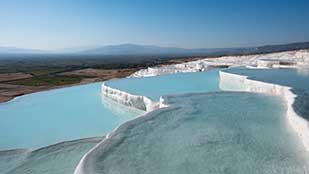
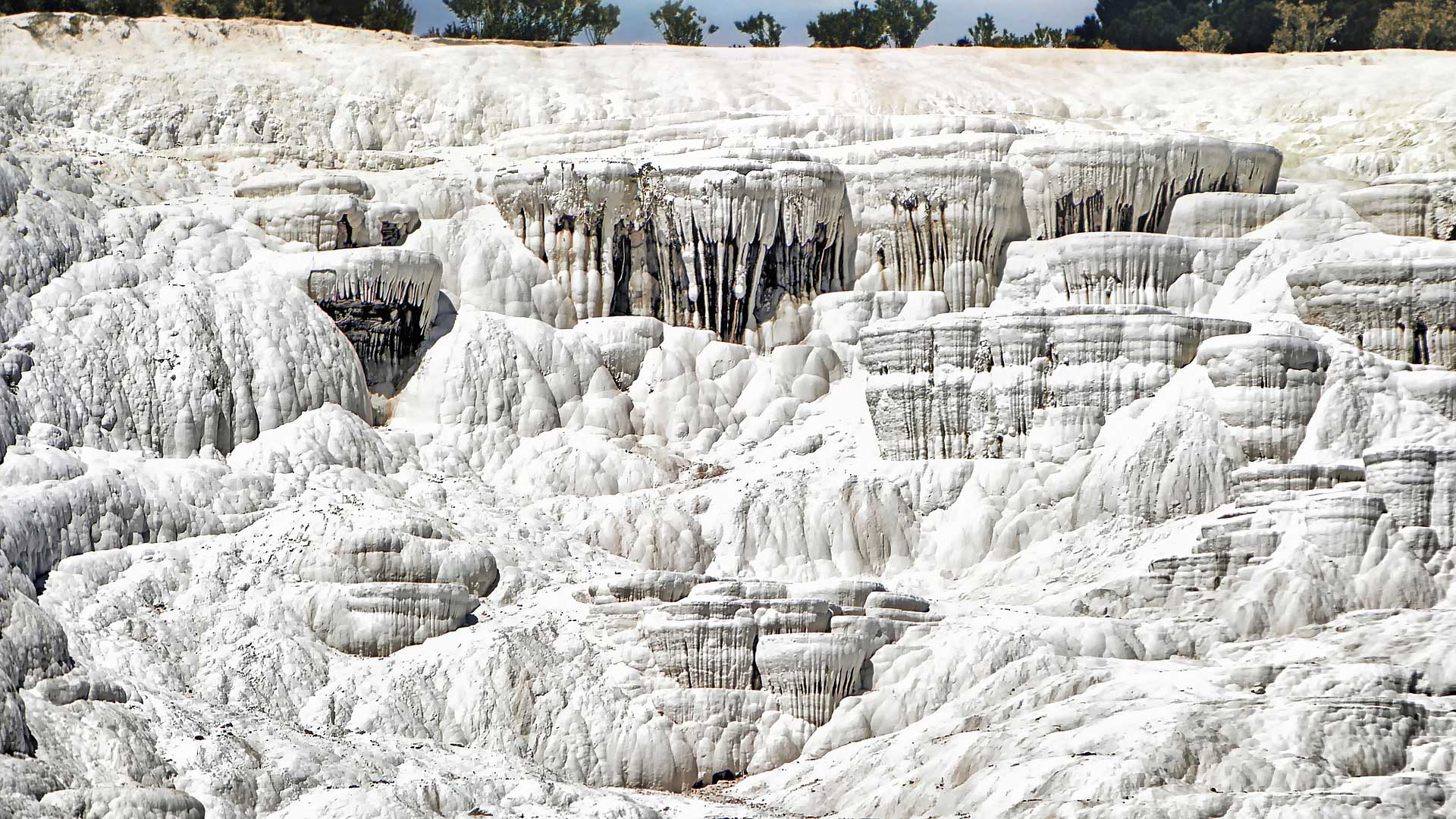
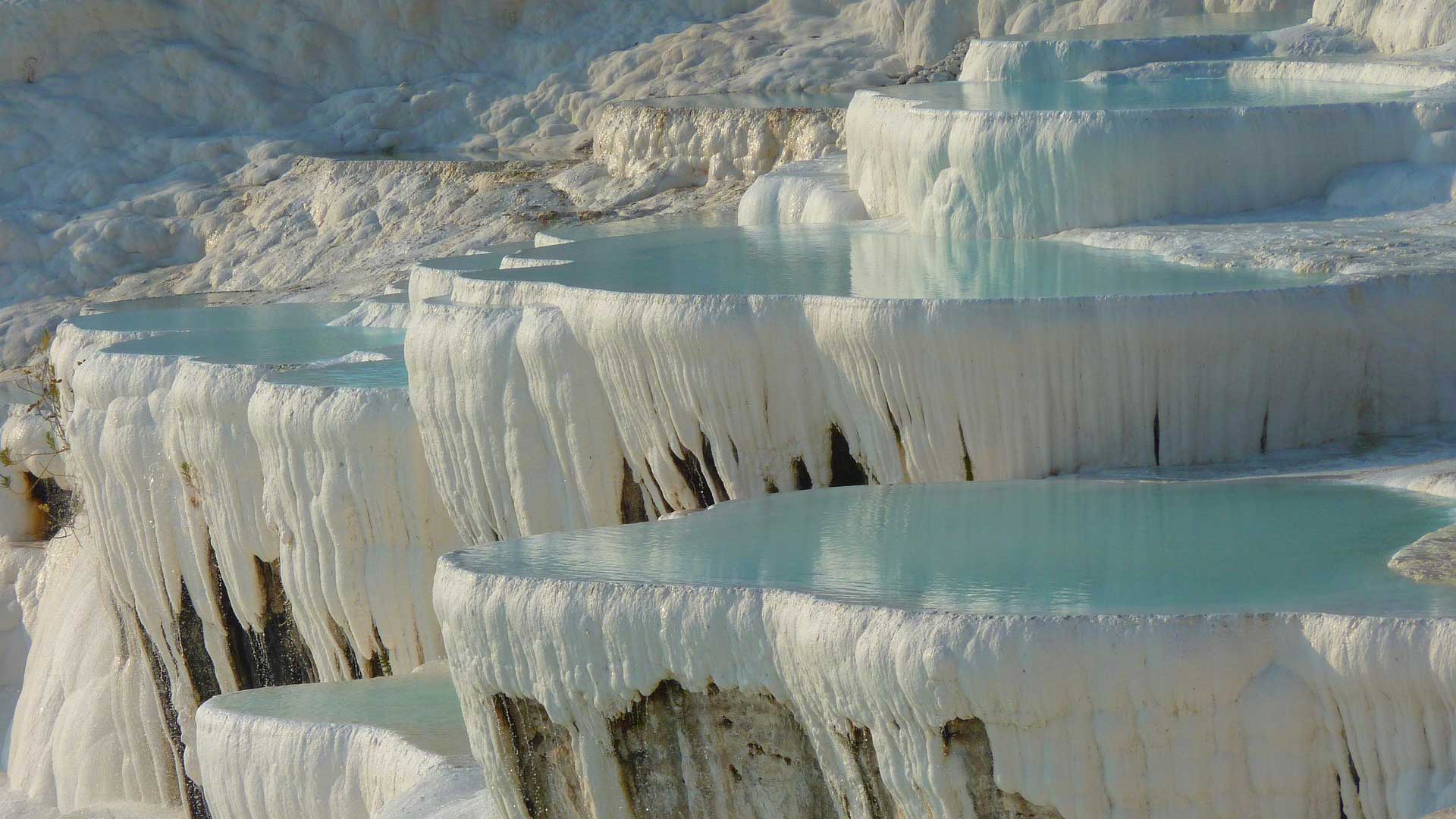
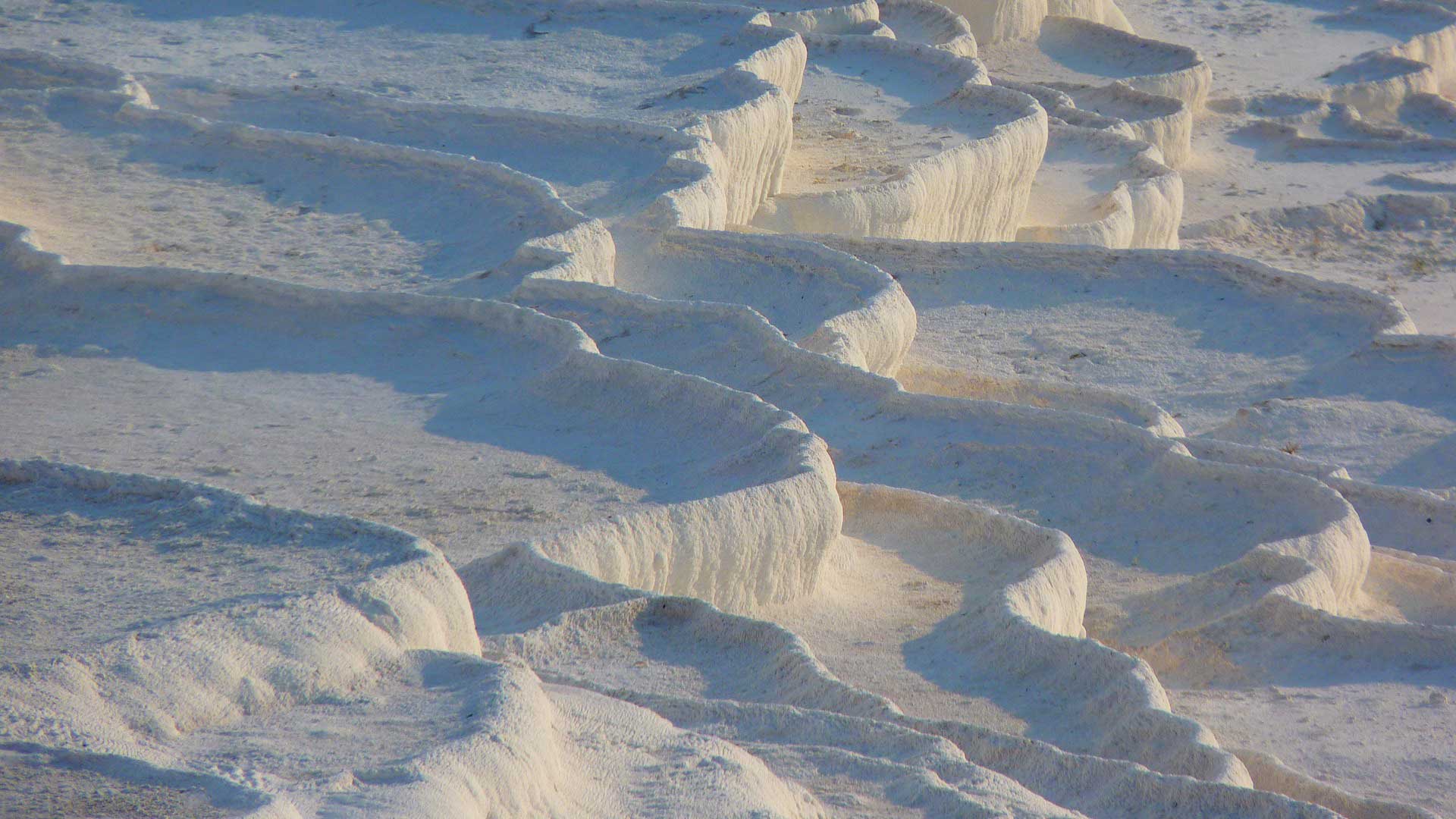
The main attraction that draws millions of visitors each year is the series of terraces formed by carbonate minerals left by flowing thermal water.
Walking the Cotton Castle
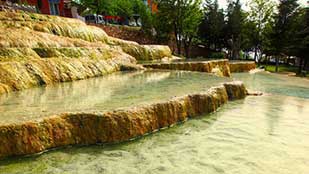
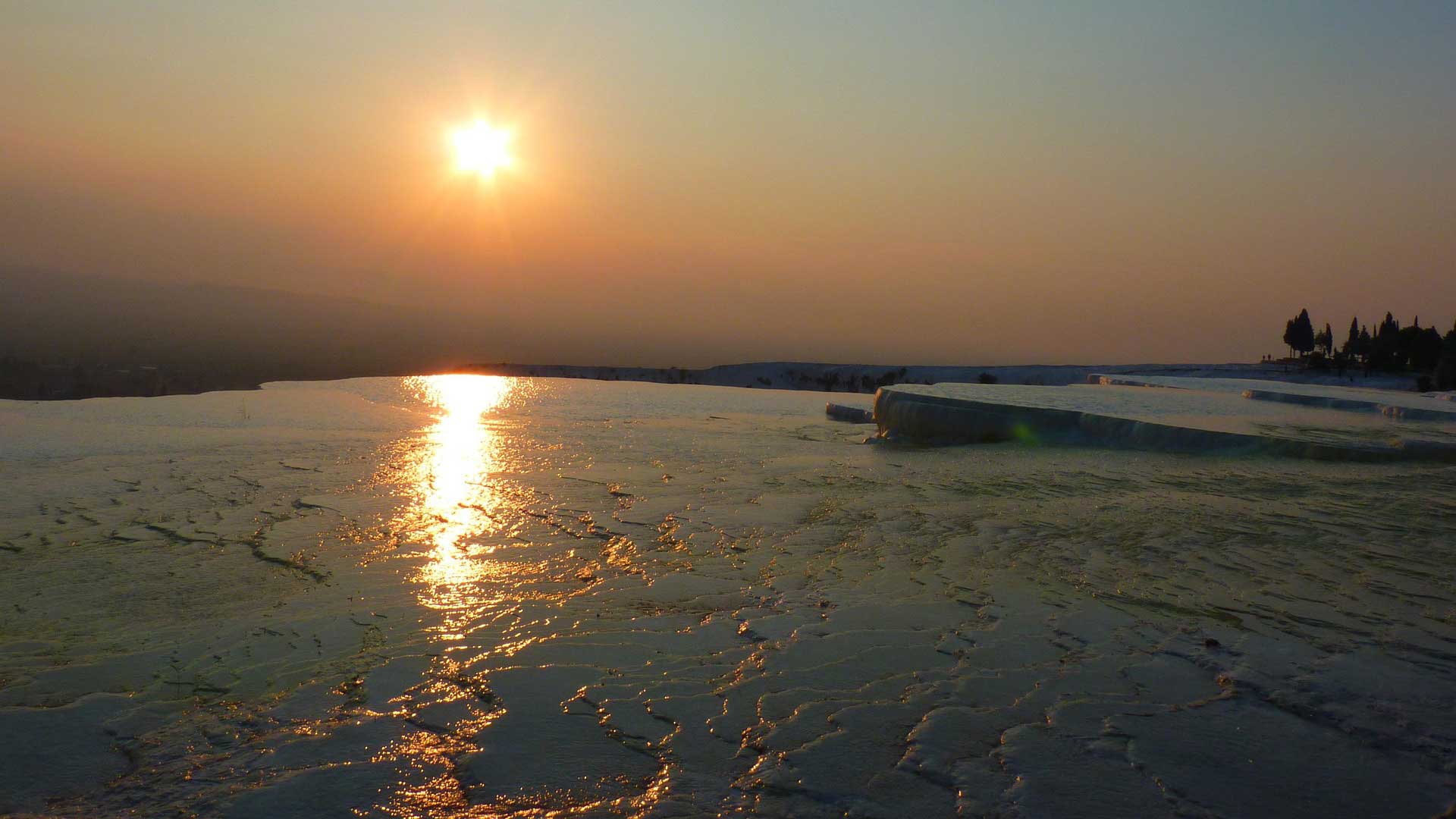
The white travertines are the iconic symbol of Pamukkale. These terraces were formed over millennia as calcium-rich thermal springs cooled and deposited calcium carbonate.
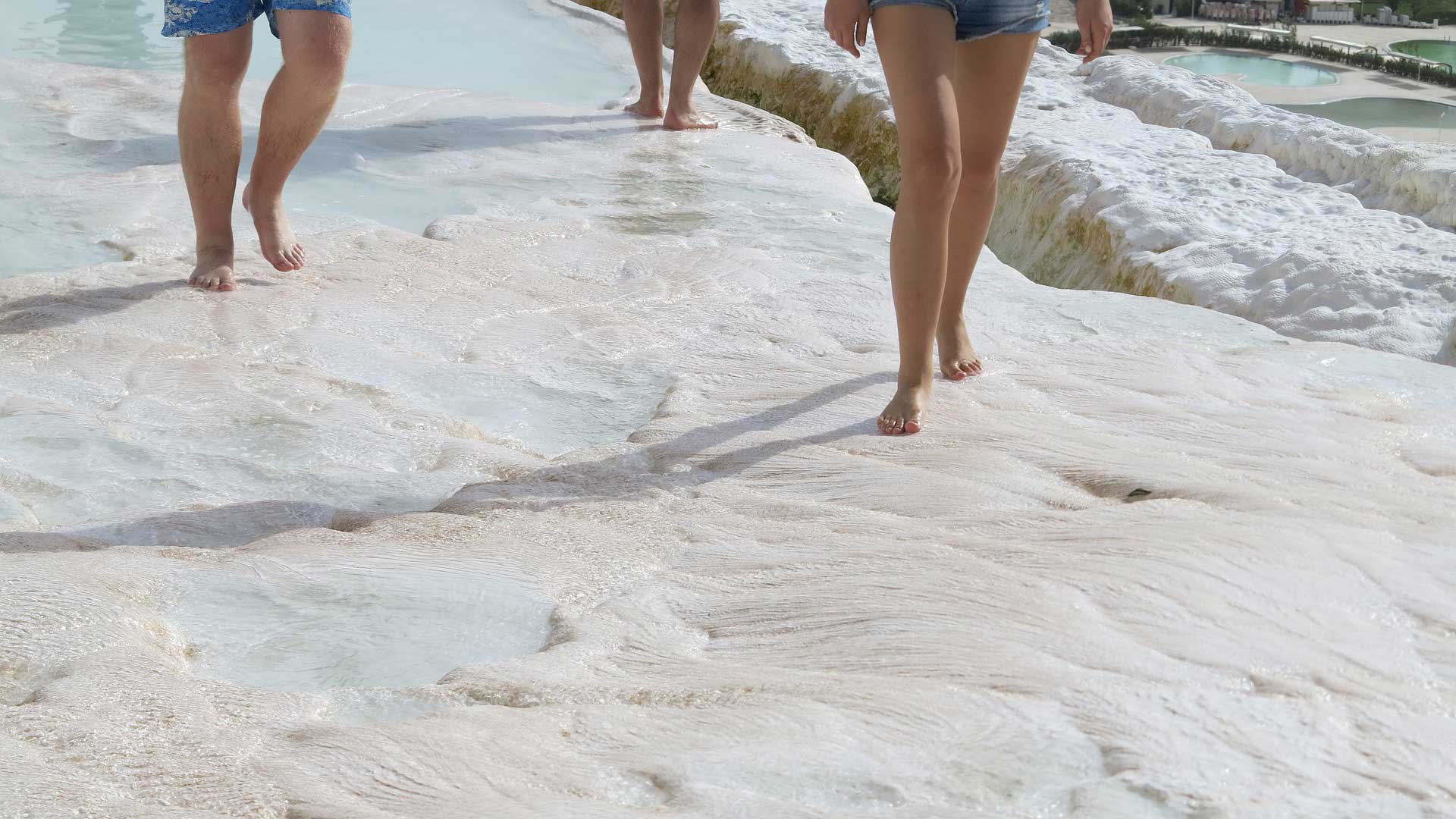
- The Terrace Pools: Visitors can walk barefoot on the white cliffs and soak in the shallow turquoise pools.
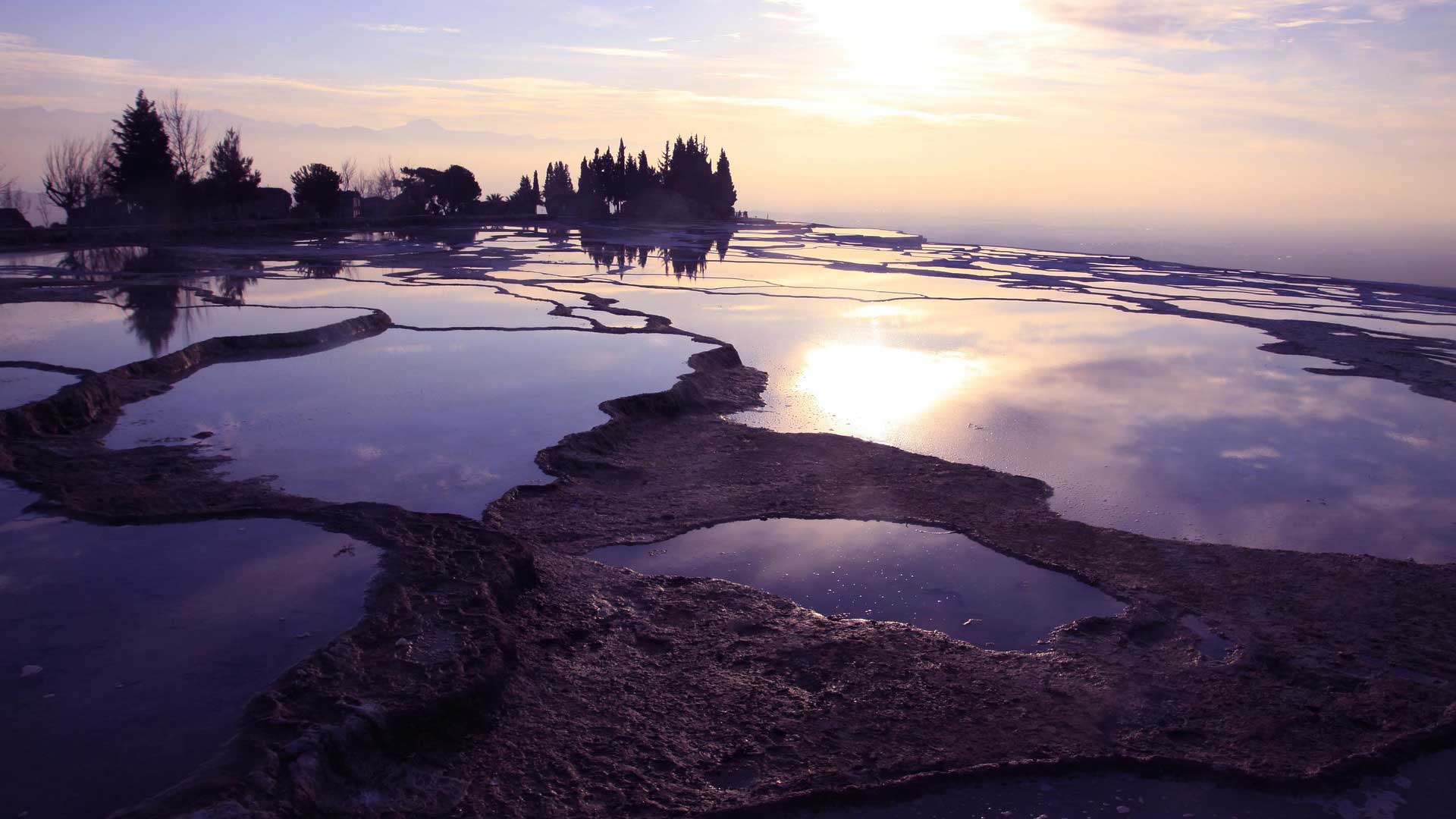
- Sunset Views: Watching the sunset over the terraces is considered one of the best photographic opportunities in Turkey.
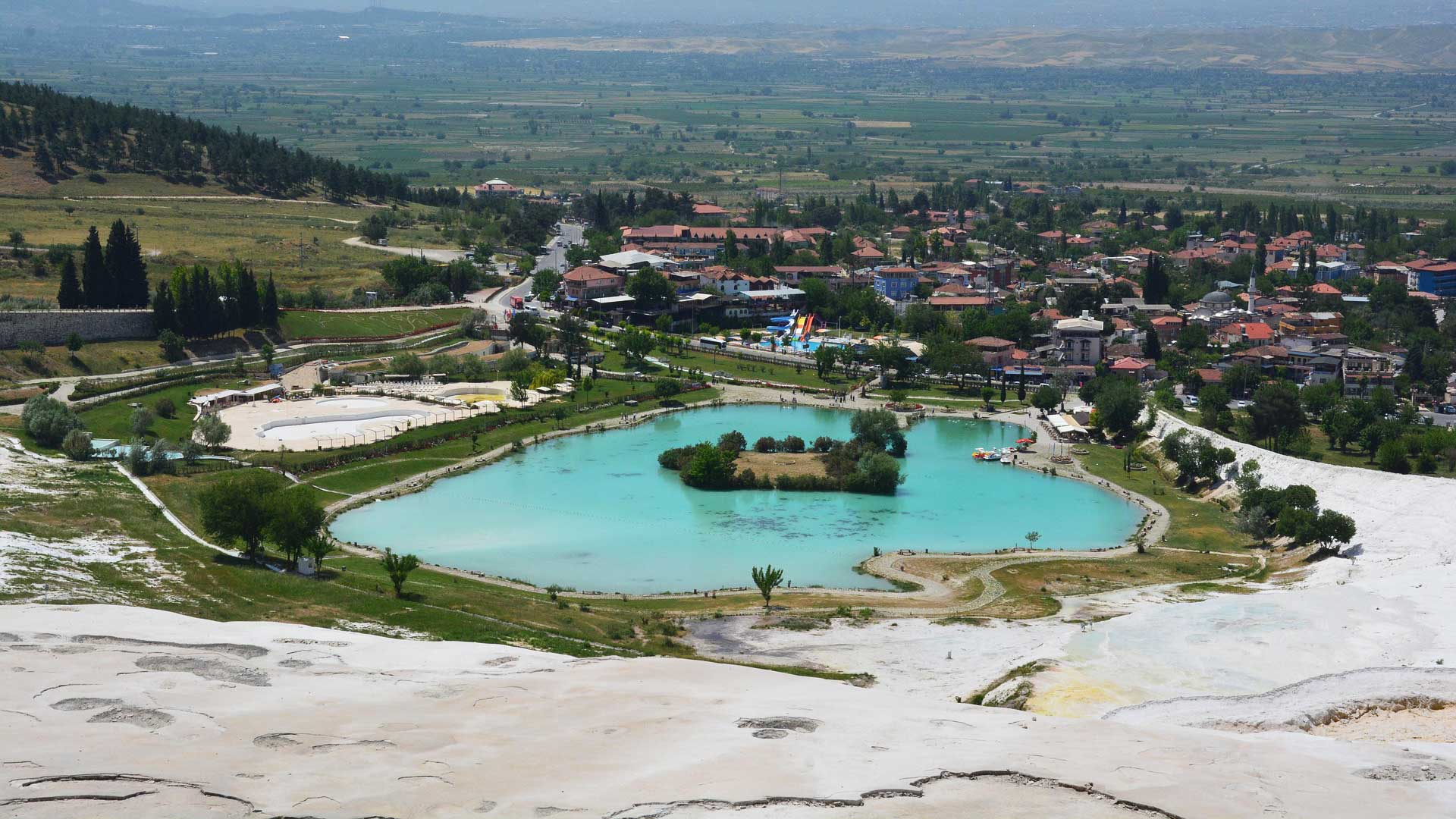
Pamukkale Nature Park
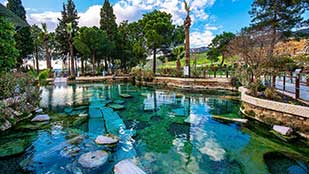
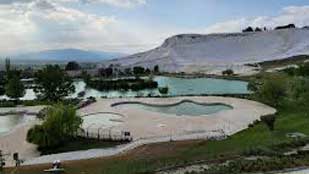
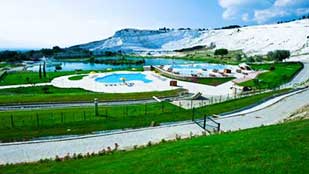
Located at the foot of the white cliffs, the Pamukkale Nature Park features a scenic lake and park area. It offers a different perspective of the travertines from below and is a perfect spot for a relaxing afternoon stroll.
The Ancient City of Hierapolis
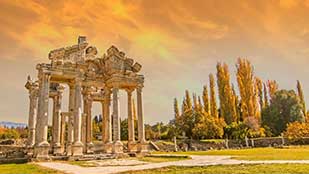
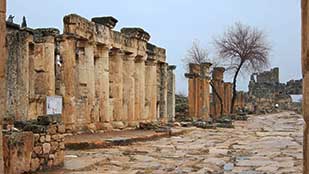
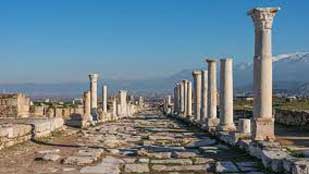
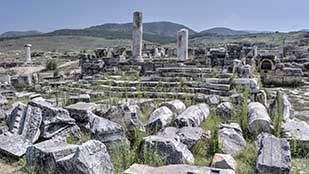
Perched directly above the white terraces lies the ancient city of Hierapolis, founded as a thermal spa in the 2nd century BC.
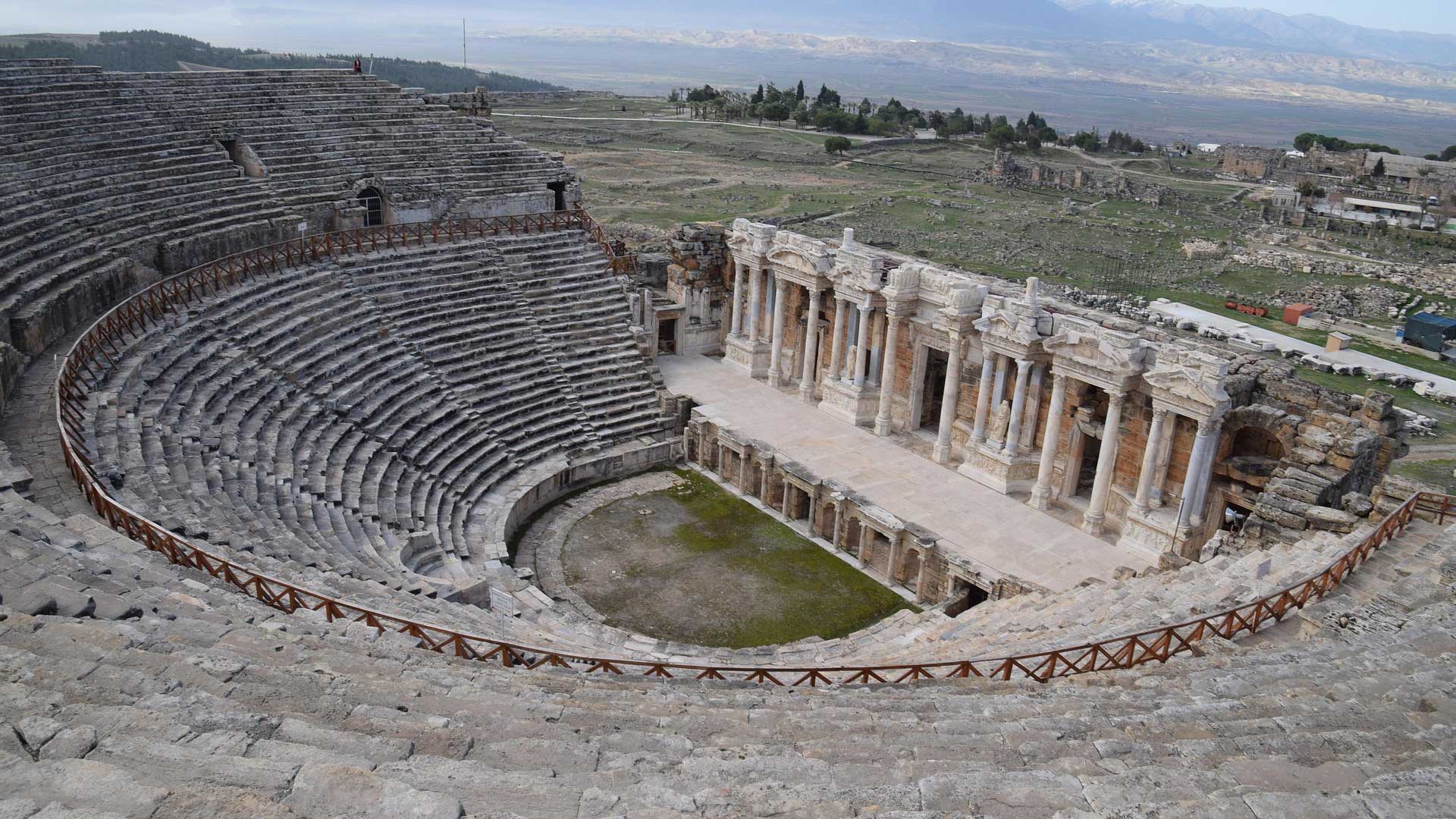
The Roman Theatre of Hierapolis
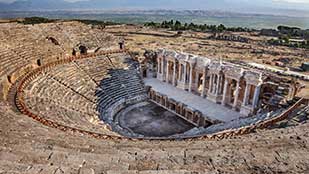
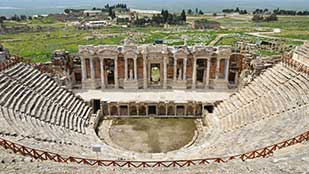
One of the most impressive places to visit in Pamukkale is the Roman Theatre. This massive structure is incredibly well-preserved, with its decorative stage and seating area capable of holding thousands of spectators.
The Antique Pool (Cleopatra’s Pool)
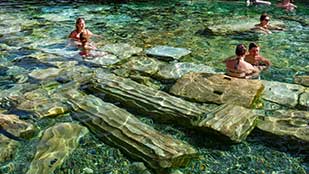
For a truly unique experience, you can swim in the Antique Pool, also known as Cleopatra’s Pool. This thermal bath allows you to float among authentic fallen Roman columns and marble fragments from the ancient Temple of Apollo.
- Healing Waters: The water is naturally warm and rich in minerals, long believed to have healing properties.
- Historical Setting: Swimming here feels like a journey back in time, surrounded by lush gardens and ancient ruins.
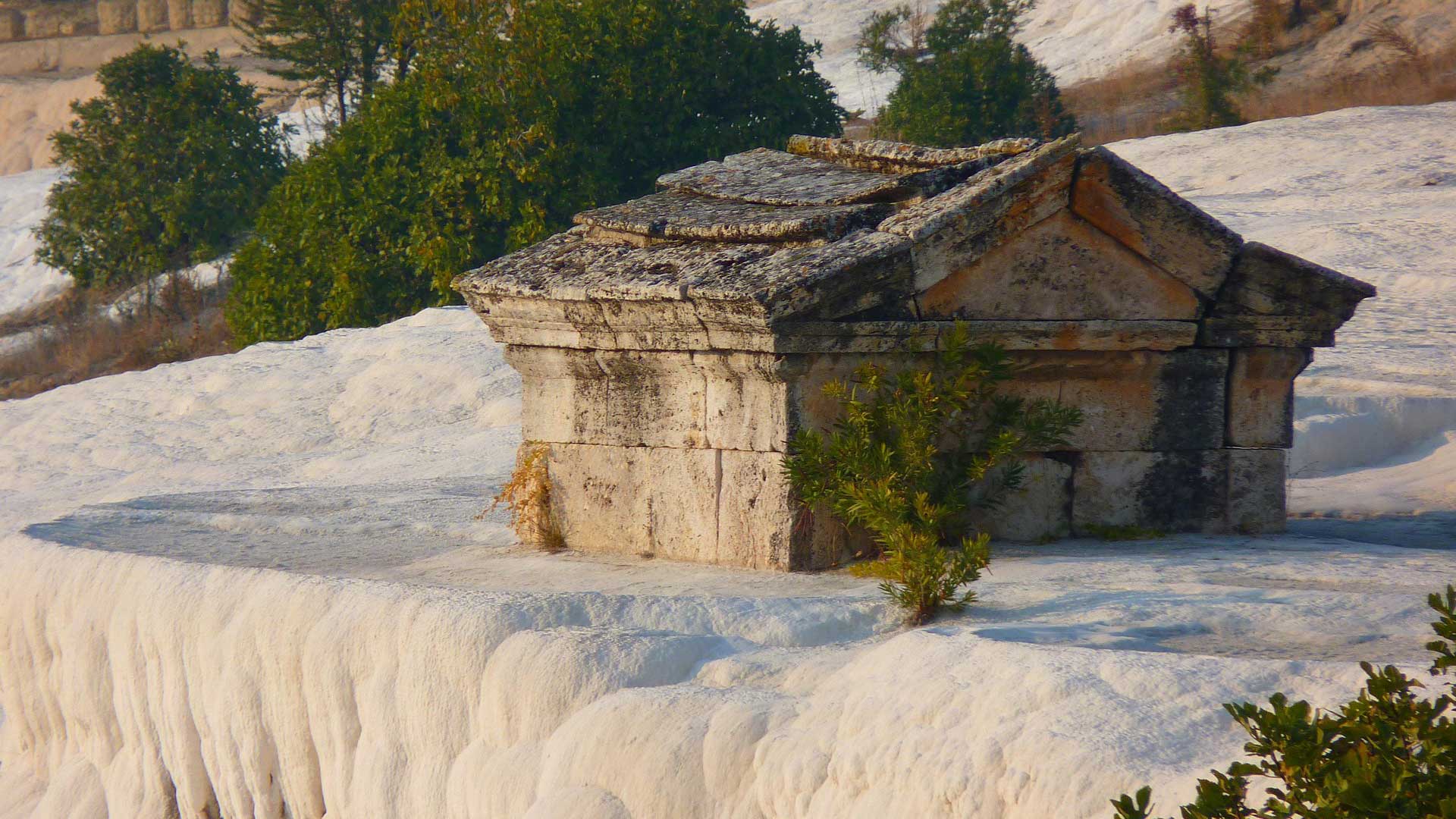
The Necropolis: City of the Dead
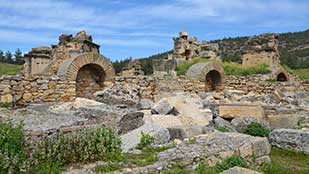
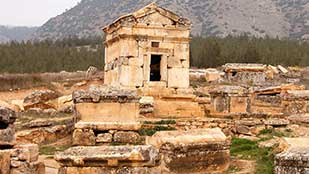
The Necropolis of Hierapolis is one of the largest and best-preserved ancient cemeteries in Turkey. It stretches for over 2 kilometers and features a diverse array of tombs, sarcophagi, and tumuli belonging to various eras.
Archaeological Highlights and Sacred Sites
Exploring deeper into the city reveals the spiritual and administrative importance of Hierapolis in antiquity.
The Martyrium of St. Philip the Apostle
This octagonal building was constructed on the spot where St. Philip was believed to have been martyred. It is a significant site for religious history and offers a quiet, contemplative atmosphere away from the main tourist crowds.
Hierapolis Archaeology Museum
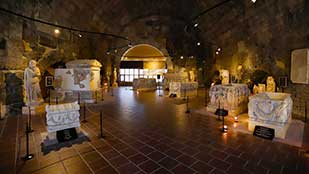
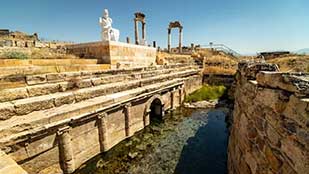
Housed in the former Roman Baths, the Hierapolis Archaeology Museum displays an impressive collection of artifacts found during excavations.
- Statues and Reliefs: The museum features intricate Roman statues and sarcophagi.
- Artifacts from Laodicea: It also houses finds from nearby archaeological sites, providing a broader context for the region’s history.
The Plutonium: Gate to the Underworld
Recently excavated and opened to the public, the Plutonium was an ancient religious site dedicated to Pluto, the god of the underworld. It was famous in antiquity for the toxic vapors that emerged from a cave beneath the temple.
Exploring Beyond the Travertines
While the main site is the priority, there are several fascinating locations nearby that complete the Pamukkale experience.
Karahayit Red Springs
Only a few kilometers from Pamukkale, Karahayit is famous for its "Red Springs". Unlike the white terraces, the water here is rich in iron and other minerals, creating vivid red, orange, and yellow travertine formations.
The Ancient City of Laodicea
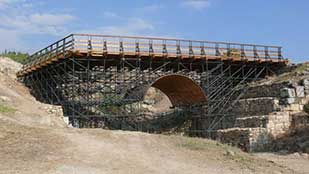
Often visited as a day trip, Laodicea was one of the Seven Churches of Revelation. It is a massive archaeological site that is currently undergoing extensive restoration, revealing grand streets, theaters, and early Christian churches.
Kaklik Cave: The Underground Pamukkale
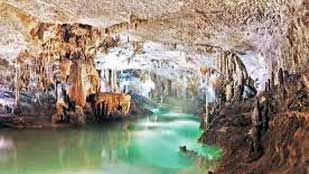
For those who want to see a hidden gem, Kaklik Cave features travertine structures similar to Pamukkale but located entirely underground. It is a stunning natural formation filled with the scent of sulfur and the sound of running water.
Tips for Visiting Pamukkale
To ensure a smooth trip to these places to visit in Pamukkale, keep these practical points in mind:
What to Pack
- Swimwear: Essential for the Antique Pool and the travertine terraces.
- Sun Protection: The white surfaces reflect intense sunlight, so sunglasses and sunscreen are mandatory.
- Footwear: You must remove your shoes to walk on the travertines, so bring a bag to carry them.
Best Time to Arrive
To avoid the large tour groups and capture the best light, it is highly recommended to arrive at the site early in the morning or stay until sunset.
Conclusion
From the surreal beauty of the white travertines to the historical depth of the Roman Theatre of Hierapolis, Pamukkale is a destination that defies expectations. Whether you are soaking in the mineral-rich waters of Cleopatra’s Pool or exploring the vast Necropolis, the variety of places to visit in Pamukkale ensures a journey filled with wonder and discovery. This site remains a shining example of Turkey's unique ability to blend natural artistry with ancient human legacy.